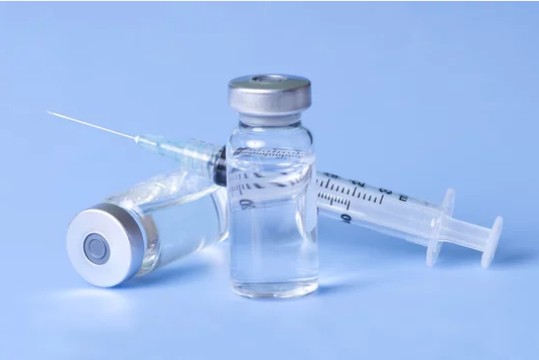
Are GLP-1 Injections Safe?

GLP-1 injections are prescription medications that have been studied and used in medical settings for metabolic health and weight management. Many people considering treatment ask, are GLP-1 injections safe, and the answer depends on individual health factors, medical history, and proper provider oversight. Understanding safety considerations can help patients make informed decisions before starting a medically supervised program.

If you’re curious about the science behind treatment, read how GLP-1 injections work.
Are GLP-1 Injections Safe?

Are GLP-1 Injections Safe?

GLP-1 injections are prescription medications that have been studied and used in medical settings for metabolic health and weight management. Many people considering treatment ask, are GLP-1 injections safe, and the answer depends on individual health factors, medical history, and proper provider oversight. Understanding safety considerations can help patients make informed decisions before starting a medically supervised program.

Are GLP-1 injections safe? Many people asking are GLP-1 injections safe are concerned about long-term use, side effects, and medical oversight. When prescribed and monitored by a licensed healthcare provider, GLP-1 injections are generally considered safe for appropriate candidates. Safety depends on individual health history, dosage, and proper medical supervision, which is why online telehealth programs require medical evaluations before treatment begins.

If you’re curious about the science behind treatment, read how GLP-1 injections work.

are glp-1 injections safe

Looking to explore treatment options? Visit our
Compare GLP-1 Injection Providers
page to see leading telehealth platforms.

How GLP-1 Injections Are Evaluated for Safety

GLP-1 injections undergo clinical testing and regulatory review before becoming available for prescription use. Licensed healthcare providers evaluate each patient’s medical history, current medications, and health conditions to determine whether GLP-1 injections are appropriate.

Safety evaluations help identify potential risks, contraindications, and factors that may require dosage adjustments or additional monitoring.

GLP-1 injections have been used for years in the treatment of type 2 diabetes and are now widely prescribed as part of medically supervised weight loss programs. When prescribed appropriately, GLP-1 injections are designed to support appetite control, portion management, and metabolic health in a structured and monitored setting. Ongoing provider oversight allows dosing adjustments when needed and helps ensure patients use GLP-1 injections safely and effectively as part of a long-term weight management strategy.

Common Safety Considerations

Common safety considerations when using GLP-1 injections include possible digestive side effects, medication interactions, and individual tolerance. Some patients may experience nausea, vomiting, diarrhea, or reduced appetite, particularly when starting treatment or increasing dosage.

Healthcare providers typically begin with lower doses and adjust gradually to help improve tolerability and reduce side effects.

You can learn more about eligibility on the Who Qualifies for GLP-1 Injections page.

Who Should Use Caution with GLP-1 Injections

Certain individuals may need to use caution when considering GLP-1 injections. This can include people with a history of pancreatitis, severe gastrointestinal conditions, or specific endocrine disorders. Pregnant or breastfeeding individuals should also consult a healthcare provider before considering treatment.

A medical evaluation helps determine whether GLP-1 injections are appropriate based on personal health history and risk factors.

You can also review Who Qualifies for GLP-1 Injections before starting treatment.

Monitoring and Ongoing Safety

Ongoing monitoring is an important part of GLP-1 injection safety. Many telehealth programs include follow-up check-ins, symptom tracking, and access to licensed providers for questions or concerns.

Monitoring allows providers to adjust dosage, address side effects, and ensure treatment remains appropriate over time.ould also consult a healthcare provider before considering treatment.

A medical evaluation helps determine whether GLP-1 injections are appropriate based on personal health history and risk factors.

You can also review Who Qualifies for GLP-1 Injections before starting treatment.

When to Talk to a Healthcare Provider

Patients should speak with a healthcare provider if they experience severe or persistent side effects, unusual symptoms, or concerns about their treatment. Symptoms such as severe abdominal pain, repeated vomiting, or signs of dehydration should be evaluated promptly.

Open communication with a licensed provider helps support safe and effective use of GLP-1 injections.

You can also explore available GLP-1 injections offered through licensed telehealth services.

Many people ask are GLP-1 injections safe, and the answer depends on individual health factors and provider guidance.
For a comparison of leading providers, see our guide to best online GLP-1 injection programs.

Learn more about GLP-1 and how it functions in the body from the National Institutes of Health .

Looking for NAD Injections? Compare NAD Injection Providers and Programs
© 2026 GLP-1 Injections. All rights reserved.